
Undergraduate
Communication Arts: Bachelor’s Degree
Enhance your communication skills for your own personal and professional development in the Bachelor of Arts Completion Program (designed for adults with previous college credit aiming to complete their degree). In this major, you’ll learn to create and deliver effective presentations, craft well-reasoned arguments, and build dialogue between people and groups. Explore how media, entertainment, and commercial institutions impact individuals and society. Enrich your understanding of writing and speaking while learning to integrate media into presentations.
MOST STUDENTS RECEIVE A 28% SCHOLARSHIP
No scholarship application required
We're Here To Help
*Indicates a required field.
At a Glance
Classes Begin
June 17
Course Length
10 Weeks
Bachelor's Degree
$781 (per credit)

Top-Ranked University
U.S. News & World Report Rankings

Talk to an Enrollment Manager
Lindsey Ford
303-871-2492
Schedule an appointment
Email me
Free Application
University College is committed to educational access, and given the difficult circumstances currently impacting millions of people, we are waiving application fees.
Skills You’ll Learn
Deliver effective, audience-relevant presentations to engage, inform, and entertain audiences
Craft well-reasoned and persuasive arguments
Write and speak with more skill and influence
What is a Bachelor's Completion Program?
A bachelor's completion program is designed for adults who have started, but not yet finished, an undergraduate degree. Students can transfer up to three years of previous college credit directly toward a bachelor's degree from the University of Denver through this program ideal for those seeking flexibility in completing their degree.
Curriculum
11
Core Courses
10
Major Courses
Varies
Elective Courses
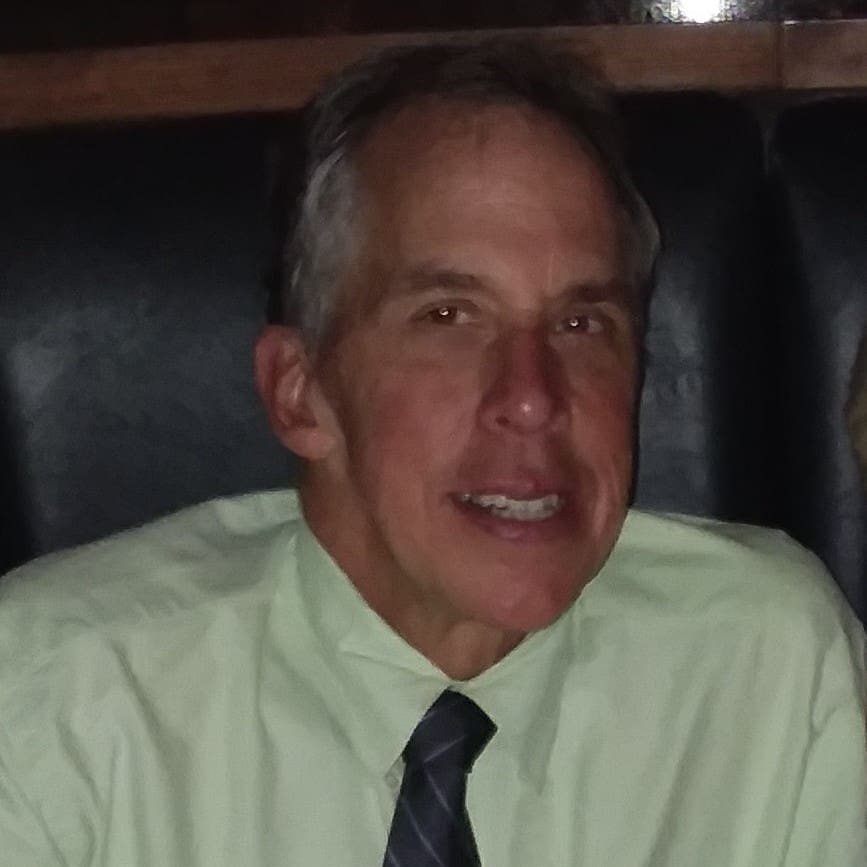
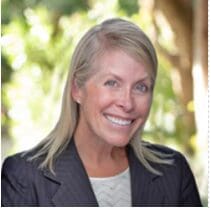
Featured Instructors
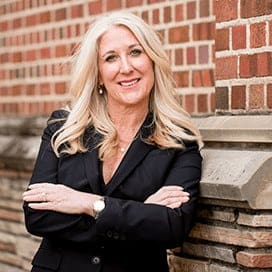
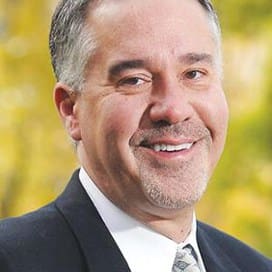
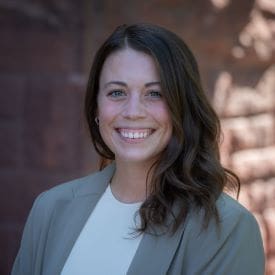


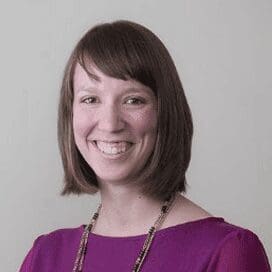

Career Outcomes
Predicted outcomes for graduates of Communication Arts
College graduates enjoy 57% more job opportunities than non-graduates, according to a study done by the Georgetown University Public Policy Institute.
Communication professionals can expect a 6% growth through 2026, according to the U.S. Bureau of Labor Statistics. This job growth is due to the need for organizations to create, edit, translate, and distribute information through a variety of diverse platforms.
According to the Balance, possessing strong communication skills will help you get a job, secure promotions, and be successful.
Increase your earning potential with a bachelor’s degree! According to the Bureau of Labor Statistics, those with a bachelor’s degree will out-earn high school graduates by at least $25,000 annually.
Job Titles
Communications Specialist Salary: National Average
$52,836
(Glassdoor)
Get Ahead with Career Services
One-on-one career coaching and mock interviews
Job database dedicated to DU students and alumni
Résumé and cover letter guidance
Hear from Our Students
Theme: Job Satisfaction
Bachelor of Arts Completion Program
“What I really enjoyed about the Bachelor of Arts Completion Program was the support that I received on campus and outside of campus from the advisors.” —Ryan Baller, graduate.
Flexible Online Classes
We understand the demands of balancing work, friends and family, and school can be challenging. That's why at University College, you can complete your program entirely online. Our online learning platform makes it easy to work anywhere at any time.
Combined Degrees
Accelerate your education by combining bachelor's completion with earning a master's degree.
Accreditation
Higher Learning Commission
University College programs maintain the highest level of accreditation offered by The Higher Learning Commission, one of the regional accrediting bodies recognized by the federal government. The University of Denver and all of its academic programs are regionally accredited by this commission, and regional accreditation is the highest standard for universities in the United States.
Take the Next Step